

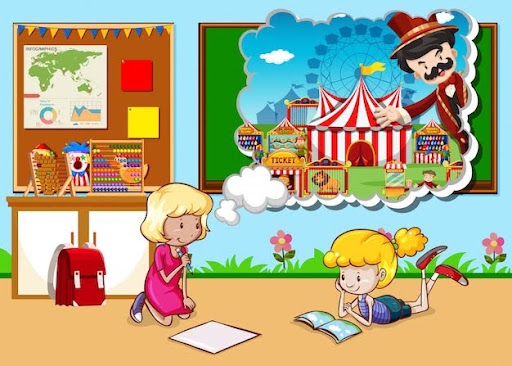
Educational cartoons for kids can make learning enjoyable by turning everyday situations into memorable stories. Children can explore kindness, responsibility, hygiene, and friendship. When parents choose age-appropriate programs and discuss their messages, cartoons can support learning alongside play, reading, family conversations, and hands-on activities that let children practise what they have learned.
1. Encourage Kindness and Empathy
Stories about sharing toys, helping friends, and including others can introduce children to empathy. Educational cartoons for kids often show characters recognizing how someone feels and choosing a thoughtful response.
Ask what a character feels and how they could help. These conversations connect screen stories with actions children can practise at home and school.
2. Teach Healthy Everyday Habits
Cartoons can make routines such as brushing teeth, washing hands, eating balanced meals, and tidying toys easier to understand. Characters who repeat these actions help children see how small habits fit into daily life.
Choose educational cartoons for kids that model realistic routines without shaming mistakes. Parents can reinforce the lesson by practising together.
3. Build Communication and Friendship Skills
Children learn about taking turns, listening, apologizing, and solving disagreements through stories about friends and families. Educational cartoons for kids can demonstrate respectful words and show that misunderstandings can be resolved calmly.
Pause and ask what a character could say next. Role-playing similar situations afterward helps children practise the language.
4. Support Emotional Awareness
Some stories help children name feelings such as anger, worry, excitement, sadness, and disappointment. When characters calm down, ask for help, or take deep breaths, children see possible ways to respond to strong emotions.
Select educational cartoons for kids that treat feelings respectfully and show safe coping strategies. Remind children that every feeling is acceptable, while hurtful actions still need guidance.
5. Choose Age-Appropriate, Quality Content
Not every animated program is educational, so review the content before making it part of a routine. Look for clear learning goals, positive role models, understandable language, and stories suited to your child’s age.
Educational cartoons for kids should not rely on frightening scenes, constant advertising, or rude behavior presented as funny. Use trusted recommendations, preview episodes, and disable autoplay.
6. Watch Together and Practise Offline
Watching with an adult makes it easier to explain confusing moments and connect lessons to daily life. After an episode, ask children what they learned, then try an activity such as sharing, cleaning up, or making a feelings chart.
Keep educational cartoons for kids balanced with outdoor play, sleep, reading, and face-to-face conversation. Set clear screen limits that suit your child’s age and family routine.
Final Thoughts
Well-chosen cartoons can introduce useful ideas, but children learn best when messages are reinforced through everyday relationships and practice. Choose thoughtful programs, watch together, and encourage children to demonstrate kindness, healthy routines, and respectful communication away from screens. Monitor how content affects your child, and adjust viewing habits when needed. With active guidance and balanced media use, educational cartoons for kids can become a helpful addition to a child’s everyday learning environment at home daily.

