

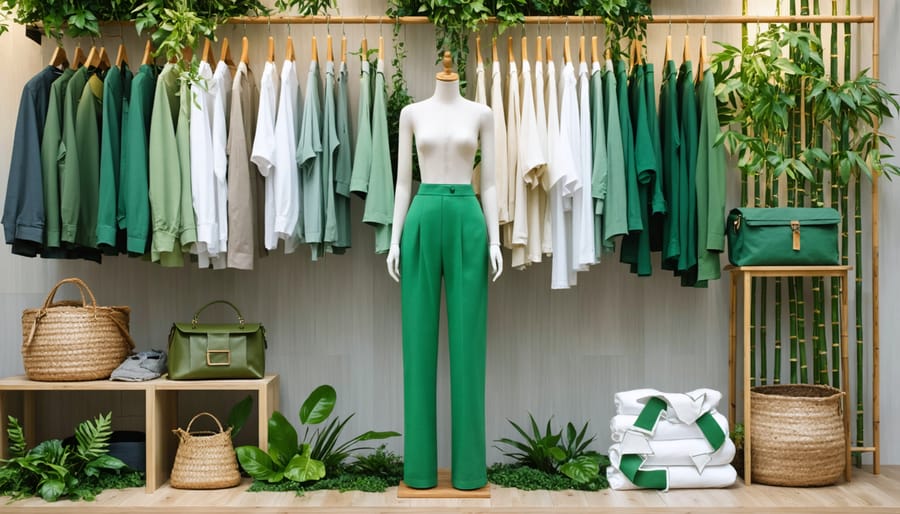
Understanding the Concept of Seasonal Fashion and Its Industry Cycle
Seasonal fashion collections form the backbone of the global apparel industry, shaping what people wear throughout the year. The fashion calendar is traditionally divided into major seasons such as spring/summer and autumn/winter, with additional mid-season or resort collections in many modern brands. Each season introduces new colors, fabrics, silhouettes, and design inspirations that reflect both cultural trends and consumer demand.
The concept of seasonal fashion is closely tied to climate changes. Lightweight fabrics like cotton and linen dominate warmer months, while wool, leather, and layered clothing become essential during colder seasons. Designers use these seasonal shifts to introduce fresh creativity while maintaining relevance in the market.
Fashion houses and brands follow strict timelines for showcasing collections. These are often presented months in advance during fashion weeks in cities like Paris, Milan, New York, and London. This early preview allows manufacturers, retailers, and marketers to prepare for production and distribution. It also helps set global fashion trends that influence retail stores worldwide.
Seasonal collections are not just about clothing; they represent storytelling. Designers often draw inspiration from art, history, nature, and social movements, turning each collection into a reflection of a particular mood or theme.
Design Inspiration and Creative Development in Seasonal Collections
The creative process behind seasonal fashion collections begins long before garments are produced. Designers start by researching upcoming trends, consumer behavior, and global influences. Mood boards, fabric sampling, and color forecasting play a critical role in shaping the direction of a collection.
Color trends are especially important in seasonal fashion. Organizations like the Pantone Color Institute influence the industry by predicting trending colors for upcoming seasons. These colors often appear across multiple brands, creating a unified visual identity in the fashion world.
Fabric selection also determines the feel and functionality of a collection. Summer collections focus on breathable materials that enhance comfort, while winter collections prioritize warmth and structure. Designers experiment with textures, patterns, and layering techniques to create unique visual appeal.
Cultural and social influences also shape fashion creativity. Global events, music trends, art movements, and even political changes can inspire designers to reflect certain themes in their collections. This makes fashion a constantly evolving form of expression that mirrors society.
Once the concept is finalized, sketches are developed into prototypes. These samples undergo multiple revisions before reaching final production. This stage ensures that both design aesthetics and practicality align with consumer expectations.
Retail Strategy, Marketing, and Consumer Engagement
Seasonal fashion collections are not only about design but also about strategic marketing and retail planning. Brands carefully time their product releases to align with seasonal demand. For example, summer collections are launched in early spring to give customers time to purchase before the season begins.
Marketing plays a crucial role in the success of seasonal fashion. Campaigns often include professional photoshoots, runway shows, influencer collaborations, and digital advertising. Social media platforms have become essential tools for showcasing new collections instantly to global audiences.
Retailers also use visual merchandising techniques to highlight seasonal themes in stores. Window displays, in-store arrangements, and promotional campaigns are updated regularly to reflect current collections. This creates a strong visual connection between the brand and its customers.
Consumer behavior has also changed significantly with the rise of online shopping. Customers now expect fast access to new collections through e-commerce platforms. This has pushed fashion brands to adopt digital-first strategies, including virtual fashion shows and online-exclusive launches.
Influencer marketing has further strengthened consumer engagement. Fashion influencers and celebrities often showcase seasonal outfits, creating trends that quickly spread across social media platforms. This direct connection between brands and audiences has made fashion more interactive and trend-driven than ever before.
Sustainability, Fast Fashion, and the Future of Seasonal Collections
While seasonal fashion collections drive creativity and sales, they also raise concerns about sustainability. The fast fashion industry, in particular, produces large volumes of clothing at rapid speed, often leading to environmental issues such as waste and pollution.
In response, many brands are shifting toward sustainable fashion practices. This includes using eco-friendly materials, reducing production waste, and promoting ethical labor practices. Some designers are also focusing on timeless collections that can be worn across multiple seasons, reducing the need for constant consumption.
Slow fashion is becoming a growing movement that emphasizes quality over quantity. Instead of releasing multiple seasonal collections, some brands now focus on fewer, more durable pieces designed to last longer. This approach encourages mindful purchasing and reduces environmental impact.
Technology is also shaping the future of fashion collections. Digital fashion, 3D design tools, and virtual try-ons are changing how collections are created and experienced. These innovations reduce waste and allow designers to experiment without physical production.
The future of seasonal fashion is expected to balance creativity, technology, and sustainability. While seasonal cycles will continue to influence the industry, the focus is gradually shifting toward responsible production and long-term value.
In conclusion, seasonal fashion collections remain a powerful force in the global fashion industry, blending creativity, commerce, and cultural influence. As the industry evolves, the challenge lies in maintaining innovation while embracing sustainability and ethical responsibility.